Project Highlights
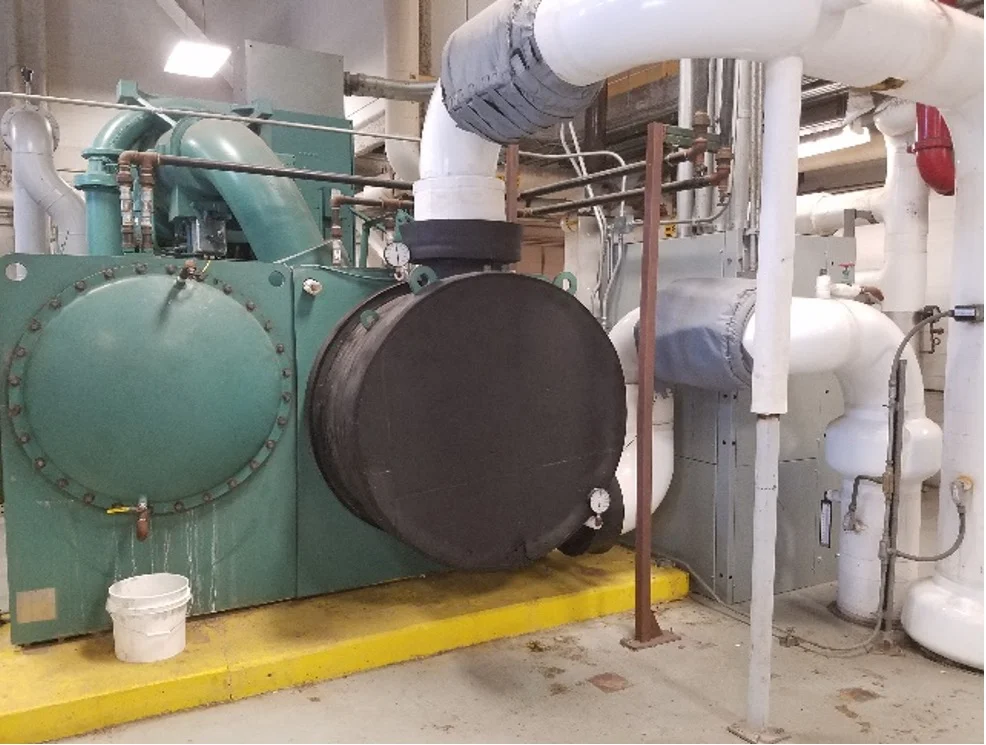
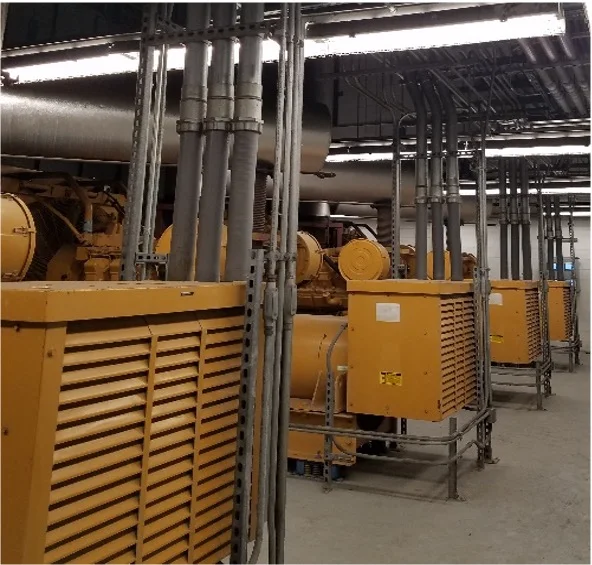
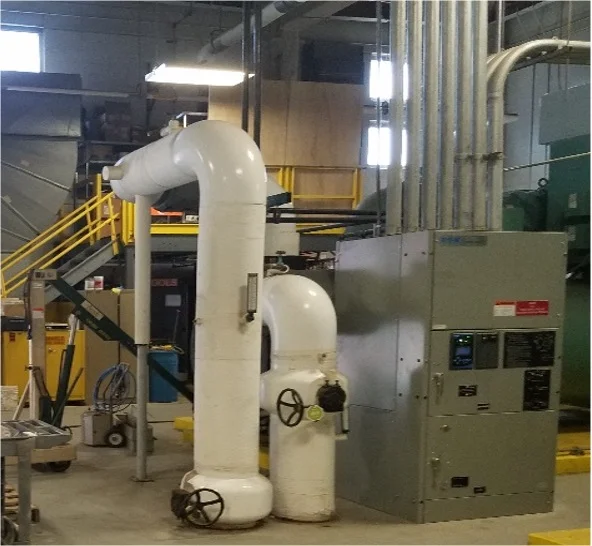
JV Partner Miller-Remick provided professional design and construction administration services for the installation of new electrical switchgear enclosures and supporting electrical infrastructure. The intent of the project was to replace two (2) deficient, antiquated paralleling switchgear lineups serving the facility’s emergency power system with new equipment in full compliance with the VA Electrical Design Manual. The project included upgrades to associated power distribution infrastructure to improve system reliability, capacity, and long-term maintainability.
After the switchgear was installed, a phased approach was utilized for the cutover of existing feeders to the new switchgear in order to avoid any major impacts to the hospital’s day-to-day operations. Due to limited floor space within the facility, a significant challenge was carving out sufficient space in both the North Energy Center and the South Deck Generator Room to install the new switchgear lineups while maintaining continuous operation of the existing electrical systems and critical infrastructure.
This project provided new, environmentally controlled electrical spaces adjacent to the existing installations that accommodated the new emergency paralleling switchgear at both the Energy Center and the South Deck. The room at the Energy Center was constructed as a mezzanine-type space within the existing footprint, located above the 4160V switchgear. The room at the South Deck was constructed on the existing roof, exterior to the building envelope. Both locations were furnished with the required structural supports, enclosures, environmental controls, and complete electrical infrastructure, including new switchgear lineups with panels, breakers, transformers, raceways, grounding systems, and associated power and control wiring. The project also included the relocation and reconfiguration of feeders previously served by the existing equipment.
The installation was completed without any shutdowns to the existing electrical systems by utilizing temporary generators, redundant circuits, and carefully sequenced back-feeding of existing loads prior to each cutover. This approach ensured uninterrupted operation of all critical hospital systems throughout construction and commissioning.